Saturday, 13 February 2021
Different Types of Diabetes in Pomeranians
Friday, 12 February 2021
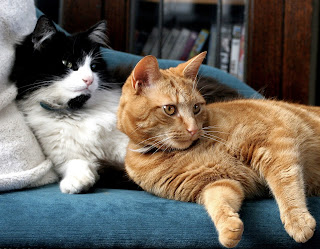
Helping Two Cats Get Along
Do you have more than one cat? It's not uncommon for people to have two or even three kitties. Our feline pals can be a bit reserved and territorial at first, but in time, most will learn to at least tolerate each other. However, it’s important to start things out on a positive note.
One thing you can do is to help your pets form positive associations with one another. How do you do that? Give them treats and catnip together.
Dual play sessions can also help. In fact, playing with your cats together serves a few purposes. For one thing, they will help your pets come to the conclusion that fun things happen when they’re together. It will also help them burn off any excess energy they have. Afterwards, they will be calmer, and hopefully more inclined to napping than fighting.
Keep in mind that it can take up to a year for cats to truly adjust to one another. Be patient, and don't give up!
Your vet clinic Webster, NY can offer you more tips on helping kitties get along. They may never be best friends, but they should learn to coexist.
Grooming Tips for Your Cat
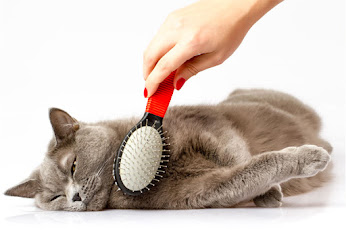
Your feline friend is very good at grooming herself. That doesn’t mean you can’t give her a helping hand on occasion, though. In fact, keeping up with a grooming routine for your cat is a good idea for her appearance and her health.
Brush your cat on a regular basis. This removes dead and loose hair from the coat and gets rid of any grime hiding underneath the fur. Brushing also spreads natural skin oils throughout the coat, which moisturizes it effectively without the need for additional products. It’s also a good idea to bathe your cat every now and then, as much as she may dislike it. (Be sure to use a feline-formulated shampoo!) Last but not least, make sure your cat is fed a high-quality diet. When Fluffy receives the right nutrients through her food, the skin and coat stay healthy.
Contact your vet clinic Westminster, MD for more tips on your cat’s grooming regimen.
Nutritional Needs of Your Pet
Hotspots In Dogs
Pyotraumatic dermatitis, more colloquially known as ‘hot spots’ are lesions on a dog’s skin that sooner or later become infected, because the dog will scratch, lick, or bite at them. These spots can happen anywhere in the dog’s body, most commonly on the hip, on the head, or the chest. 'Moist dermatitis' is another name for this condition. The primary symptom of a dog having hot spots is having an oozing reddish area, itchy and painful. Hair could be absent from the spot. Or, there could be matted hair, hiding the severity and the size of the lesion. The lesions can quickly grow in size and number in as short as a few hours as the dog incessantly licks, chews, and scratches the spot. You might observe the spot in the morning to be an inch or so, then at night, be as big as your palm. Since the dog might be in pain right on and around the area, he might not let anyone, including the owner, touch him there, and may snap or growl if there is an attempt by anyone.
Take your dog to the veterinary clinic if you see any hot spots. The sooner a vet Bourne, MA sees your pet, the better.
Do’s And Dont’s When Making An Enclosure For African Pygmy Hedgehogs
Are you thinking of building a home for your pet hedgehog? The first thing you should consider is the size of the case you can give. Remember that hedgehogs need enough space to run around. The minimum required space is 2 x 3 square feet.
Follow these do’s and don'ts when
building the home for your hedgehog:
DO:
●
Use space bars or wires with a small
enclosure so the hedgehog can't come out.
●
Use a large enclosure like fish tanks
or plastic storage bins. Put ventilation holes so the hedgehog can breathe while
inside the enclosure.
●
Use aspen shavings or recycled paper
for bedding.
● Use fleece fabrics as alternative bedding, but cut out the extra ends to avoid accidents.
DON’T
●
Use wire floors
● Use cedar shavings because it contains harmful chemicals that are bad for small mammals.
Once your hedgehog has settled, make an appointment with your animal hospital North Dallas, TX for your pet’s first wellness check.
Thursday, 11 February 2021
Why Cats Better Live Indoors
There exists a reason why you should consider keeping your cat indoors. Outdoor cats lean more to having shorter life spans than indoor-only cats. Cats whose lives are mostly spent outdoors tend to live only at an average of 2-5 years, while cats who live exclusively indoors live up to 15-20 years. There are many risks that cats who are let outdoors can encounter which shortens their lifespan. Here are two of them:
- Parasites and diseases
Your cat could possibly acquire parasites like worms, mites, ticks, and/or fleas when going outside. She could also be at higher risk of contracting other serious health problems from other outdoor cats, like feline AIDS (auto immunodeficiency virus), feline distemper (panleukopenia), feline infectious peritonitis, and feline leukemia. Having your cat stay indoors can reduce the risk of contracting these diseases.
- Wild animals, dominant cats, and dogs
While wandering outdoors, a cat could encounter dangers like stray dogs, wild animals, and also other cats who are dominant in an area. Larger wildlife can also target a cat as prey. Or if your cat gets into a fight with a dominant cat, she could come home injured or a seriously infected wound, both of which could be life-threatening.
Make sure to bring your pet to your veterinary clinic Pembroke Pines, FL to have her preventatives and vaccinations updated.