Monday, 15 February 2021

Anesthesia And Your Pet


If your pet needs to have a medical procedure wherein general anesthesia is required, there are some things that you may want to know about anesthetics, indications, and the side effects that could possibly happen.  For medical veterinary procedures, general anesthesia is normally indicated under the following conditions:

●If the patient needs a procedure that will be painful.

●If the patient is required to lay perfectly still while the procedure is ongoing.

●If the patient’s airway needs to be protected.

●If the procedure happens over a length of time where there is a possibility of complication occurrence.

●if regional anesthetic, local anesthetic, or sedation would not be the appropriate choice for the procedure

●In controlling severe and extreme seizures

Anesthesia has possible side effects that include hypothermia, reduced blood pressure, drug reactions, heart arrhythmia, and/or respiratory depression.

Your animal hospital Portland OR should be able to provide you the information you need and address your concerns and questions regarding general anesthesia.


Types of Outside Blankets for Dachshunds


vets Virginia Beach VA

It’s a general rule of thumb that if it’s too cold for you to stay outside then your Dachshund should not be outside either. If your Dachshund has access to an outside porch area during the day, you may want to consider keeping it closed off during the colder winter days and nights. If this is not an option, then you may want to consider purchasing a blanket or coat for your Dachshund to wear while outside for long periods of time. Please note that a coat does not make it OK for a dog to stay outside in below freezing temperatures. A coat; however, can help keep snow from accumulating in the fur as well as provide temporary added warmth while outdoors. Ask your vets Virginia Beach, VA for help determining if and when a blanket is necessary for your Dachshund during the winter months.


Learning about the Microchipping Process in Akitas


vet Chesapeake VA

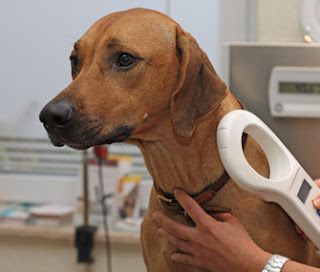
If you’ve recently purchased or adopted a canine like the Akita, please call and schedule a first time visit with your vet. While at this visit, ask your vet to run a scanner over your Akita to find out if he already has a microchip. If he does then your vet can give you the ID number and help you make sure the number is registered and that you are listed as the primary contact. If your Akita doesn’t have a microchip, you should consider allowing your vet to place one on your pet. The microchip is injected beneath the surface of your dog’s skin just between the shoulder blades. Experts say the process is similar to receiving a shot. Once done, your Akita will have an official tracking number assigned. You will need to register that number with a security site such as Home Again, which specializes in locating lost pets. Learn more from your vet Chesapeake, VA.

Saturday, 13 February 2021

Treating Dogs For Their Allergies


Like when treating humans, in dogs, allergy symptom relief is often medicated using antihistamines, or steroids in more severe cases.  These medications can provide momentary relief from the symptoms of the allergy, but they will not address the core cause of the issue.  Meaning, if your dog is once again exposed to whatever he is allergic to, then allergies will flare-up again.
 
For food or flea allergies, it is best to prevent the allergy before any flare-ups occur.  It is important to have an all-year-round flea prevention routine so that these allergies do not happen.  However, if you suspect that your pet is allergic to a certain food type, identifying which food type it is can take some time and is very challenging.  The trial and error method on food your dog eats is normally used to eliminate which specific ingredient your dog is allergic to.
 
Have regular communication with your veterinarians London ON, and keep them involved in trying to identify what your dog is allergic to.

Thai Ridgebacks and Bloat


Certain breeds of canines are prone to canine bloat more than other breeds. For instance, the Thai Ridgeback breed is prone to bloat. Bloat, Gastric Dilation-Volvulus, is a serious disease that can be fatal if not treated immediately. Bloat can happen when a dog’s stomach fills with gas, food or fluid causing it to expand. The expansion of the stomach can apply pressure on other organs causing blood to stop flowing to the heart and stomach lining. The stomach can expand so much that it causes a tear in the wall and can even cause difficulty breathing. Sometimes the stomach can twist which is where the name Gastric Dilatation Volvulus comes in. When this happens blood is stopped from flowing to the heart, which can send your dog into shock. Vet care is needed immediately to relieve pressure on the stomach and provide further lifesaving treatment. Consult with your vets San Jose Jacksonville, FL to learn more.

Treating Diabetes in Dogs Like the Pomeranian


Did you know that diabetes can be a common illness that affect cats and dogs? The disease is known to affect various dog breeds including Pomeranians. If your Pomeranian has been diagnosed with diabetes, you should talk to your vet about treatment options and long-term management. Canine diabetes generally occurs when there isn’t enough insulin in a dog’s body causing the body to break down fat and protein reserves as an alternative. Your Pomeranian may become lethargic, excessively hungry or thirsty, and have high glucose levels in the urine and bloodstream. Depending on the severity of the illness, your Pomeranian may need to be hospitalized to receive fast acting insulin. Typically, diabetes can be treated at home with insulin injections, oral medications or a simple change in exercise and diet. Your vet may try different methods of treatment before finding one that works for your Pomeranian. If you have additional questions, please call your vet San Jose Jacksonville FL.

Different Types of Diabetes in Pomeranians


Diabetes is a common illness that affects various breeds of dogs including Pomeranians. As with people, there are also two basic types of diabetes in canines known as Type I and Type II diabetes. Type I diabetes is when there is a shortage of insulin. Type II diabetes occurs when the body doesn’t know what to do with the insulin it has, which may also be referred to as insulin resistance. Type I and Type II prevent a Pomeranian’s body from converting glucose or sugar into energy and instead sends excessive amounts of glucose into the blood stream. Hyperglycemia may occur as a result of large amounts of sugar in the blood. When there isn’t enough insulin, fat and protein reserves may be used as alternative energy. To determine what type of diabetes your Pomeranian has you will need to consult with your vets Lakewood Jacksonville FL.