Friday, 4 December 2020

Vomiting in Cats


Vomiting in pets can cause alarm and panic to pet owners. Vomiting is a reaction when the body detects a foreign irritant. In severe cases, vomiting is a sign of an underlying health problem. In the case of cats, they sometimes vomit for the simple reason that they want to expel swallowed hairballs. Cat vomiting can be either acute or chronic. Acute vomiting typically lasts for a few days. Usually, cats suffer from acute vomiting due to infections, indigestion, urinary problems, or ingestion of toxins. Chronic vomiting lasts for a more extended period. A cat that throws up several times daily for more than a week means it is suffering from a critical illness, such as organ failure, hyperthyroidism, gastrointestinal disease, or cancer. Simple cat vomiting does not always warrant going to the animal clinic. However, pet owners should closely monitor if vomiting persists. Pet owners should bring their cat to the veterinarian for diagnosis and treatment if it is frequently vomiting that lasts for more than a week. Vomiting that lasts for more than a day should warrant an appointment with a pet hospital Virginia Beach, VA.

More tips can be found at your Barker Animal Hospital.

Playing With Your Dog


Dogs are very playful, which is why they are such fun pets. Playing with your pup daily is very good for him. It helps get him moving, and provides a great doggy workout. A fun play session also gives your pet a chance to work off any stress or anxiety he feels. Plus, he'll feel closer to you.

Try to get into the habit of playing with your dog every day. Even a few minutes of playtime will be beneficial. There are a few things to keep in mind, though. Some dogs can get a bit too involved with certain types of toys. If your dog gets too serious about Tug O War, it could bring out any prey drive or aggressive tendencies he has. It's also important to choose suitable playthings. Every dog is different, so offer your pup a variety and see what he likes best.

Ask your veterinarian Oconomowoc WI for more tips on playing with your canine buddy.

Why Guinea Pigs Need Vitamin C


Guinea pigs are warm-blooded animals that cannot produce their own vitamin C. Their need for vitamin C is acquired by ingesting foods that are rich in this nutrient such as fruits and vegetables that are rich in vitamins, yogurt that is enriched in vitamin C, and also vitamin C drops that are given to baby guinea pigs. Guinea pigs benefit from the purest and freshest supplies of Vitamin C. Pellets that are given to guinea pigs contain vitamin C, but the exposure of the pellets to the environment and air may depreciate the value of the nutrient in the pellet. Refrain from buying pellets that are placed in bins because there is a high probability of exposure to environmental factors that can have a negative impact on their quality.

A discussion with your vet Virginia Beach, VA regarding the nutritional requirements of your guinea pig is important and must be done regularly.

Brushing Your Cat

animal hospital Fort Collins, CO

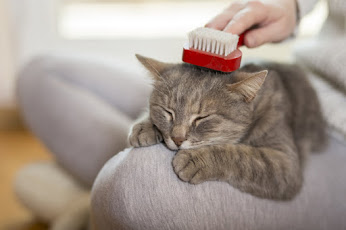
Cats are pretty clean, but they still benefit from being brushed regularly. This will remove dead hair from your pet's coat. She'll be more comfortable, and you'll also have less hair and hairballs to deal with. If you have a longhaired cat, she'll also have fewer tangles and mats in her coat.

The main thing to remember is you have to get your pet on board with the idea. Choose a time when your kitty is feeling relaxed, and perhaps a bit sleepy. If she likes to sleep on your lap, then you have a perfect chance. Brush in the direction of your cat's fur. When she decides that she has had enough, don't try to force her. If you do, you may end up getting scratched! It's best to let go, and resume another time.

Do you want to learn more about keeping your cat healthy? Visit your animal hospital Fort Collins, CO today!

Thursday, 3 December 2020

Dogs and Hot Spots


Hot spots is a term used to describe areas on your dog’s skin that are extremely sensitive, irritated, or just simply itchy. If your dog is constantly chewing at an area such as his leg or tail, call your vet and schedule a routine exam. Your dog may be biting at a flea or tick or he may have a hot spot that constantly itches. Hot spots generally come up when your dog starts biting, scratching, or licking at an area excessively. These spots can be caused by allergies, insect bites, fleas, poor grooming or even an underlying ear or skin infection. Call your vet when your dog won’t stop chewing or scratching at an area. Your vet can help diagnose the problem and recommend a treatment that will stop the scratching and relieve the hot spot. Oftentimes, a simple topical cream will suffice. Click here for more information or contact your vet clinic New Orleans, LA. Schedule an appointment at this website Clearview Veterinary Hospital.

Are Pocket Pets Good for Kids ?


Do you have children? Are they begging for their first pet? Keep in mind that you don’t have to get a puppy or a kitten—that might be too big of a commitment right away, especially for young children. A pocket pet like a guinea pig, hamster, rat, gerbil, or mouse might be a good choice for you and your kids. 

Pocket pets are relatively easy to care for, although they will need daily attention. They’ll need their cage bedding material scooped out regularly, and of course they will need fed and watered on a daily basis. It’s a good idea to socialize your pocket pet, too—they’ll need to get used to human handling, and bear in mind that this requires some patience. 

All things considered, pocket pets tend to make good pets for children who are able to understand the commitment and have the patience to stick with it. Consult your veterinarian Eau Claire WI for more insights.

How to Apply Flea and Tick Ointment to Your Dog


If you aren’t accustomed to using flea and tick ointment on your dog then you may want to read on for a few tips. Your vet can also give you a few tips. Applying a spot on flea and tick treatment can be difficult. In general, you should open the little tube of solution and then place the tip of the applicator underneath your Shepherd’s fur on his back right between his shoulders. Gently squeeze the tube and apply it down your dog’s back as he cannot reach his back to lick it. Do not rub the solution in; instead, allow it to soak in. Make sure you squeeze all the contents from the tube. Once finished, praise your dog and let him know how well he listened and obeyed. It is recommended to apply flea and tick topical treatments every month. Call your vet Spring Hill TN if your dog has a reaction.