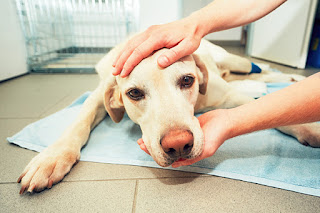
Dogs can be prone to pink eye or conjunctivitis in much the same way people are. If you’re familiar with pink eye in people then you have a head start on the illness in dogs such as the Beagle. Conjunctivitis can be bacterial, viral or an allergic reaction referred to as red eye or pink eye. If you believe your Beagle may have conjunctivitis, call your vet right away. Symptoms of conjunctivitis includes redness, puffy eyelids, discharge, watery eyes, scratching at eyes, squinting, and even the sticking together of the eyelids. Conjunctivitis causes an itchy irritation to the eye and most often involves a discharge of a thick gummy substance. Common causes include allergic reactions to allergies in the air or other allergens. It can also occur as a result of a cold, upper respiratory infection or sore throat. Consult with your vets Wichita, KS to learn more about treatment options.
Thursday, 14 January 2021
Cat's Obesity: An Alarming Issue
Teaching Your Dog To Sit
Eye Issues in Diabetic Cats Like the Burmese
Did you know that diabetes mellitus or sugar diabetes is a common occurrence in cats including the Burmese breed? Feline diabetes generally occurs when a cat’s body doesn’t produce enough insulin. Insulin is a hormone that is produced in a cat’s pancreas and is in charge of regulating the flow of glucose from the bloodstream into the body’s cells. When there isn’t enough insulin the cat’s body starts breaking down fat and protein reserves. Ideally, the energy source should come from glucose and not stored fat and proteins. As a result, the cat may start to lose weight and develop high levels of sugar in the bloodstream. Cats with diabetes tend to face additional health issues including pancreatitis and frequent urinary tract infections. Both humans and dogs are known to have eye problems such as cataracts as a direct result of diabetes. These are rare cases for cats. Learn more from your vet Webster, NY.
Helping Your Pet Overcome Fears
To successfully address your pet’s phobias, you should expose him to the trigger and show how this trigger is not entirely bad and something positive can come out of it by giving him treats, praising him, and other types of positive reinforcements. In theory, this seems pretty easy, however, performing it in real life can be quite frustrating and you will need a lot of patience and determination when dealing with them.
If you are addressing a fearful behavior, be sure not to make the mistake of reinforcing or rewarding the display of anxiety or fear by giving him his favorite treat, comforting, or petting your dog.
The first thing to do is to identify what is the specific trigger or stimulus of your pet whenever he turns anxious or nervous. Once you have identified this factor, do your best to avoid or limit his exposure to it. It is only after that when you can take the next step which is to train your pet how to relax even when the trigger is present. This will be a long, tedious process and you should plan out what you would do for you to succeed.
If you have any concerns about your pet’s behavior, contact your veterinary clinic Lakewood Ranch, FL.
Or set an appointment here: https://www.sarasotaanimalmedical.com/
Wednesday, 13 January 2021
Spot-On Fly Control for Horses
How to Provide Long Term Care for a Dog with Epilepsy
Has your Golden Retrieve or other breed canines recently been diagnosed with epilepsy? If so, talk to your vet and find out about epilepsy and how it could possibly affect you and your Golden Retriever. Your vet is here to help you and your pup live as normal a lifestyle as possible. Your vet can help you better understand canine epilepsy, causes, symptoms, treatments, and management plans. In general, canine epilepsy can be a genetic disorder or one caused by underlying illnesses. With a proper diagnosis, care, and treatment, your vet can help both you and your dog adjust to life with epilepsy. Medications may be prescribed to help prevent seizures or slow down the frequency. Your vet may ask that you keep a daily record or journal of your dog’s seizure activities in order to keep your dog’s treatment as effective as possible. Always consult with your veterinarian Shreveport, LA when making a medical decision about your dog.