Tuesday, 19 January 2021

Cat Facts: What Do You Know About Your Cat


Cats make a wonderful pet for many animal lovers. They are adorable, affectionate, and warm beings. Cats are friendly and known for their gentle ways. Here are a few fun facts about your adorable furball:

     Cat paws have different numbers of toes in front and back. Front paws have five toes while their back paws have 4 toes only.

     Cats can make more than a hundred kinds of voices.

     Cats can jump seven times their height.

     A litter of kittens is referred to as ‘kindle’, and a group of adult cats is called a ‘clowder’.

     Cats have no sweat glands.

     The tongue of a cat is covered with tiny spines that are directed backward called papillae. These tiny spines have a useful role in grooming, and also in holding their kill in their mouth.

     The unique pattern on the ridges of the cat’s nose pad is used as their identification. It is like the fingerprint of a human.

Your local animal hospital Davie FL is a valuable resource about your pet’s health and well-being.

Monday, 18 January 2021

Sebaceous Glands In Cats And Scent Marking


Cats have 2 main types of glands in the skin--sweat glands and sebaceous glands. The sebaceous glands are closely associated with the hair follicles on the skin. These glands produce an oily secretion called the sebum which functions to make the hair waterproof and help promote skin suppleness. There are also larger sebaceous glands on the chin, eyelids, lips, prepuce, scrotum, and the top surface of the base of the tail. These larger glands are responsible for producing the cat’s signature scent which is important in scent marking. That’s why you see cats repeatedly rubbing their chin, lips, forehead, and base of the tail to mark certain objects. You may have noticed black-brown greasy patches on objects or surfaces where your cat keeps on rubbing his body. You may also notice your kitty rubbing against you to “mark” you.

Sudden changes in your pet’s behavior should be brought to the attention of a veterinarian care Leonardtown, MD.

How Often Should My Cat Receive Booster Shots?


Administering annual booster shots for some vaccines has been the norm in the past years. However, recent data has revealed that yearly boosters may not provide that much benefit as previously believed. Factors such as vaccine type, as well as the pet’s overall health and lifestyle help in determining whether booster shots are needed. Not all vaccines are created equal; there are vaccines, such as vaccines that protect against viral diseases, that provide 3 years of protection to your pets. Bacterial vaccines, on the other hand, are recommended to be administered every year.

Nowadays, full booster series are offered by experts to cats with complete vaccinations which can be given every one to three years. The frequency of booster shots to be given would only be determined after a cat’s lifestyle risk has been assessed. Indoor cats and cats with a complete vaccination record are considered low-risk cats. These low-risk cats can receive their booster series for the “core vaccines” every three years. The core vaccines include feline calicivirus, feline viral rhinotracheitis, feline panleukopenia, and rabies; feline leukemia is also often included by some experts. Non-core vaccines such as feline infectious peritonitis, Bordetella, chlamydia also have booster shots but, the booster injections for these are given on a conditional basis. Veterinarians would administer the booster only if the antibody titer tests would indicate the need for it.

Consult a veterinarian Leonardtown, MD to gather vital and relevant information that can improve your pet’s health.

Winter Walkways and Cats


Winter can bring all kinds of crazy weather to your neck of the woods. From snow fall and blizzards to ice storms and sleet, sometimes you never know what winter will bring. One thing’s for sure, if you have icy walkways then someone will most likely be pouring sand and salt on them to keep people from falling. That’s a great concept, but the chemicals in those products may harm your cat. During the winter months you should try and keep your Ragdoll clear of treated surfaces and walkways unless you know for sure they have been treated with a non toxic melting product such as Safe Paw. If you walk your cat, consider buying cat shoes or some other protective covering for your cat’s feet. You can also simply clean your Ragdoll’s feet after she walks on treated walkways. Call your vet clinic London ON for additional details., information and tips.

King of Dogs – The Afghan Hound


The Afghan hound is one of the world’s oldest dog breeds. In fact, according to legend it was the Afghan hound that was on the ark with Noah in Biblical days. Today, the Afghan hound can be traced back to ancient Afghanistan. Several of the northern caves in Afghanistan actually feature drawings of the hound. The Afghan is known for his elegant physique, which includes a long flowing, silky coat. The coat helps sustain the hound against the harsh weather of high altitudes such as those found in Afghanistan. It’s important to know that this long, shiny coat requires daily brushing and maintenance. In addition to his coat, the Afghan is known for the conformation of his hips, which are high and wide apart enabling him to run at fast speeds and maneuver easily over rough terrain. Click to learn more about this canine from your vet London, ON.

The Akita


veterinary clinic Tampa FL

Are you looking for a dog that’s anything but simple? If you’re up for a canine challenge then you may want to check out the Akita. The Akita originated in Japan and was brought to the U.S. in 1936. The Akita is large, tough, rugged, and built to guard. In Japan, the Akita was bred to withstand the polar temperatures of the mountains. The Akita’s large muscles and long legs made it easy for them to trek through the steep mountains and deep snow. The Akita makes an excellent guard dog, but training at an early age is a must in order to teach the dog that you are the pack leader and must be obeyed. Warning, some insurance companies classify the Akita as a canine that is at high risk for biting and aggression. The Akita is territorial and protective, but when trained from an early age can be an excellent guard dog and companion. Learn more from your veterinary clinic Tampa, FL. 

Exercising your Peruvian Guinea Pig

vet Tampa, FL

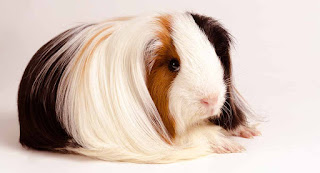
Did you know that your Peruvian guinea pig needs to be exercised on a routine basis just like other pets? Ask your vet for help to come up with ways to exercise your guinea pig and even suggest how long and how often he should be exercised. In general, it’s best for your Peruvian cavy to get as much exercise as possible while in his cage. In other words, buy him an appropriate size cage that will give him room to roam and play. Place toys, tunnels, and other objects in his cage that will help encourage him to move around. You can also set up a safe zone inside your home or in your yard where your guinea pig can be turned loose to roam around on his own. Always supervise your guinea pig to ensure his safety. You can always ask your vet Tampa, FL for a recommended time for your guinea pig to be outside his cage.